Anode Repair and RecoatingRetain serviceable titanium structures, restore the catalytic surface and return used anodes to a defined operating specification. | 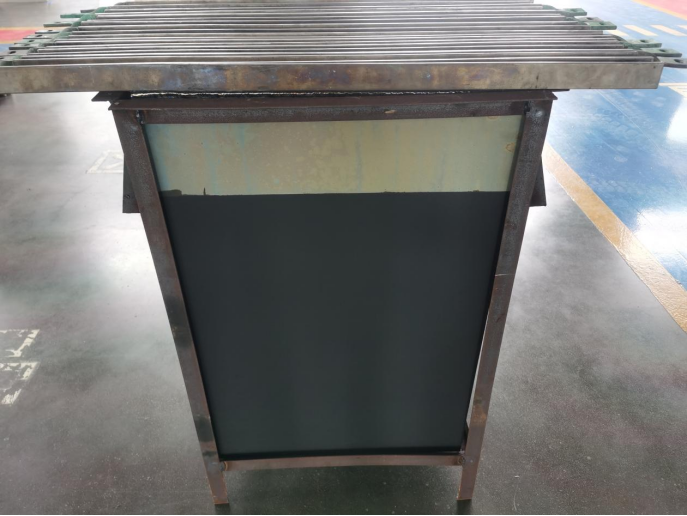 |
|
When should an anode be evaluated? | A change in voltage or output is a reason to investigate—not automatic proof of coating failure. Electrode condition should be reviewed together with electrolyte chemistry, deposits, electrical contacts, current distribution and electrode spacing. | | Cell voltage rises | Higher voltage at comparable current and electrolyte conditions may indicate declining catalytic activity, scale or increased connection resistance. | | Output falls at the same current | Reduced gas or oxidant production can be linked to coating depletion, shielded active area, changed electrolyte conditions or impaired flow. | | Gas evolution becomes uneven | Local deposits, coating wear, poor hydraulic distribution or passive regions can concentrate current on the remaining active surface. | | Visible wear or connection damage | Exposed titanium, deformation, damaged welds, loose terminals or local overheating should be assessed before the electrode returns to service. |
|
Recoat, repair or replace?The returned structure is assessed before a recoating route is confirmed. The decision depends on substrate condition, geometry, weld integrity, electrical interfaces and the required operating duty. | 01 / RECOAT Structure remains serviceableDimensions, flatness, welds and current-feed connections remain suitable. The depleted layer can be removed before surface reactivation and application-matched recoating. | 02 / REPAIR Recoverable damage is foundRepairable deformation, connection damage or local fabrication defects are corrected and checked before the structure proceeds to surface preparation. | 03 / REPLACE Integrity cannot be restoredSevere thinning, cracking, deep pitting or distortion outside an agreed repair limit may make replacement the more reliable option. | Electrodes we can evaluate | | MMO-coated titanium anodes | Ru–Ir chlorine-evolution anodes | | Ir–Ta oxygen-evolution anodes | Platinized titanium electrodes | | Plate, mesh, tube and fabricated assemblies | Electrochlorination and electroplating assemblies |
|
|
From returned anode to verified release | The service route is documented around the condition of the returned electrode and the agreed operating window. Final acceptance criteria should be confirmed before processing begins. |
Incoming inspectionDimensions, flatness, welds and electrical connections are recorded. | → | Coating removalThe depleted catalytic layer is removed using a controlled route. | → | Substrate evaluationThe titanium structure is checked for damage, thinning and distortion. | | ↓ | Repair and activationApproved structures are repaired, cleaned and prepared for recoating. | → | Application-matched coatingCoating chemistry and loading are matched to the specified duty. | → | Final verificationGeometry, interfaces, coated area and agreed acceptance criteria are checked. |
Start with an initial condition reviewSend photographs, drawings, operating conditions and observed performance changes to cecilia@yat-electrode.com. |
|