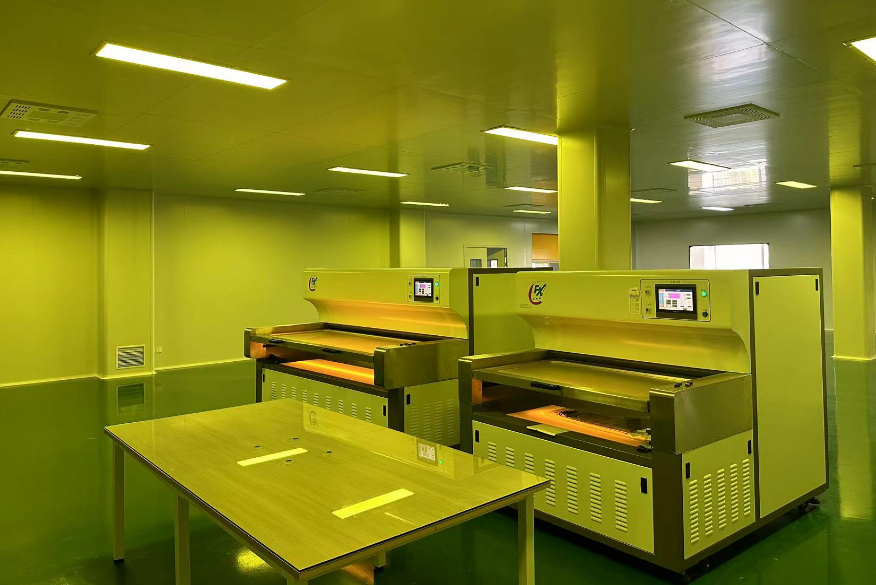
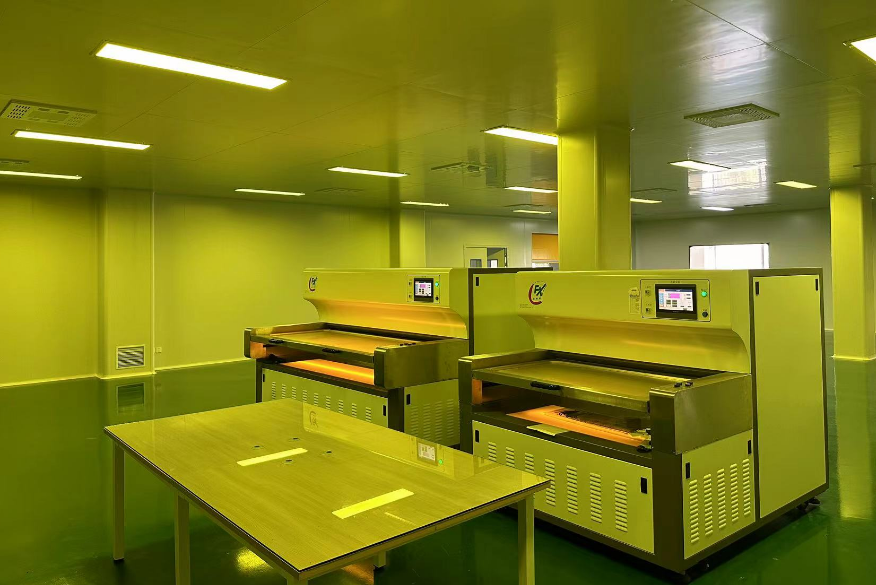
Dry-film lamination
Photoresist is applied uniformly to the prepared metal sheet.
Precision chemical etching gives engineers the freedom to develop complex flow fields, revise designs quickly and move from prototypes to batch production without dedicated forming tools.
Chemical etching supports fast design changes, burr- and stress-free features, simultaneous channel formation and a flexible route from prototypes to batch production.
| Engineering factor | YIANTENG chemical etching | Stamping | Full CNC |
|---|---|---|---|
| Design changes | Update a digital phototool | Rework or replace the hard die | Revise program, fixture and toolpath |
| Prototype validation | Multiple variants can share one sheet | Production tooling precedes first parts | Each variant needs machining setup |
| Edge and stress | Burr- and stress-free | Burrs and forming stress may occur | Tool marks; deburring may be needed |
| Complex flow fields | All channels etched simultaneously | Complexity moves into die design | Features machined path by path |
| Cost profile | Low tooling; complexity has limited time impact | Higher upfront tooling; strong at stable high volume | Cost rises with setup and toolpath time |
The design and processing route begins with the customer’s drawing and operating targets, then translates those requirements into a controlled etched structure.
Photoresist is applied uniformly to the prepared metal sheet.
Digital artwork defines channels and features on both plate surfaces.
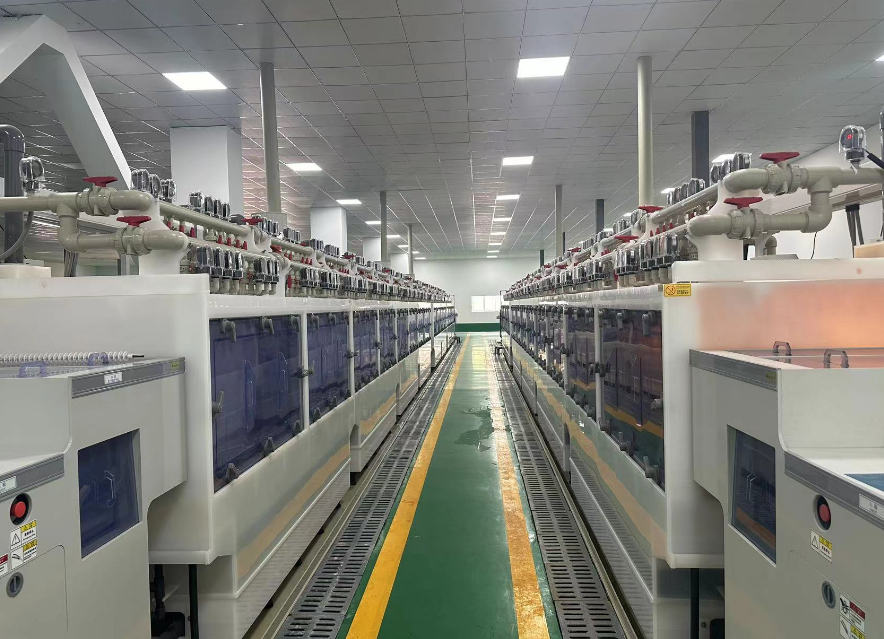
Both sides are etched in one controlled process for balanced, repeatable geometry.
Critical dimensions and surface quality are checked before release.
 |  |
Yianteng manufactures customized flow-field and plate structures for hydrogen-production and fuel-cell development programs.
Customized bipolar plates and flow fields engineered around system-specific water, steam and gas-management requirements.
Fine flow channels support reactant distribution, water removal and thermal management within compact stack architectures.
A flexible manufacturing route supports design validation, pilot builds and repeat production without changing to a hard-tooling process.