Nickel-plated steel bipolar plates for AEM water electrolysis.YIANTENG manufactures stainless steel and carbon steel bipolar plates with precision-etched flow fields and application-matched nickel plating. Flow-field formation, dimensional inspection, surface activation and plating are coordinated within one manufacturing route—supporting faster drawing revisions, consistent plate geometry and a conductive, alkaline-resistant interface for AEM electrolyzer stacks at a fraction of the cost of coated titanium. | 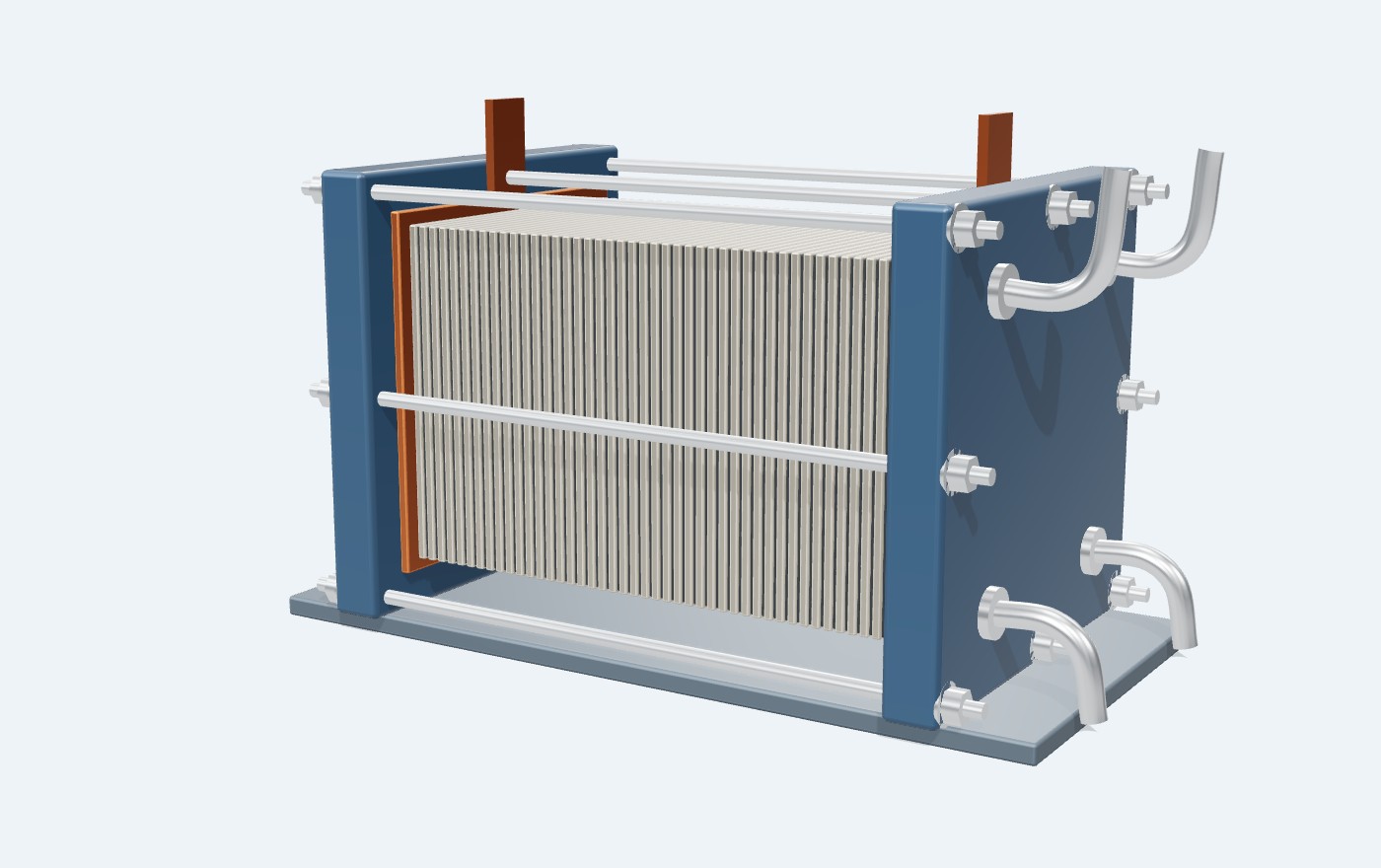 |
SS / CS Stainless or carbon steel substrate | ±50 μm Etching precision | Ni Nickel plating | 20–50 μm Nickel thickness range |
AEM electrolysis for lower-cost hydrogen production | AEM electrolyzers combine a compact zero-gap stack with an alkaline operating environment. Because the membrane conducts hydroxide ions instead of protons, the stack can use non-noble catalysts and nickel-protected steel hardware in place of titanium and platinum—making AEM a strong option for renewable-power coupling, distributed hydrogen supply and cost-sensitive on-site production. |
Hydrogen forms at the cathode Water or dilute alkaline electrolyte reaches the cathode. Electrons from the external circuit split water into hydrogen and hydroxide ions. 4H₂O + 4e⁻ → 2H₂ + 4OH⁻ | Hydroxide ions cross the membrane Only OH⁻ passes through the AEM to the anode. Electrons travel through the external circuit and the bipolar plates. OH⁻: cathode → AEM → anode | Oxygen is released Hydroxide ions are oxidised at the anode, releasing oxygen, water and electrons back to the circuit. 4OH⁻ → O₂ + 2H₂O + 4e⁻ |
The role of the bipolar plate in an AEM electrolyzer
Ni-plated steel bipolar plate · flow field Anode PTL (Ni felt / foam) + catalyst layer Anion exchange membrane (AEM) Cathode catalyst layer + PTL Ni-plated steel bipolar plate · flow field Simplified AEM cell stack | Current and electrical contactFlat lands and a conductive nickel surface distribute current across the active area and keep contact resistance with the PTL low and repeatable. Electrolyte and gas distributionEtched serpentine, parallel or interdigitated channels feed water or KOH solution and remove hydrogen and oxygen according to the stack design. Corrosion protection, compression and sealingThe nickel layer protects the steel substrate in alkaline media, while consistent sealing lands support heat transfer, gasket interfaces and stack compression. |
From flow-field drawing to nickel-plated plate
YIANTENG connects flow-field manufacture and nickel surface engineering in one technical route. Drawing revision, dimensional inspection, surface preparation and plated-area requirements remain tied to the same finished component.
Drawing review
Substrate grade, flow field, ports, sealing lands and plated areas.
Precision etching
Die-free formation of the channel geometry on steel sheet.
Dimensional inspection
Channels, flatness, ports and critical interfaces.
Cleaning & activation
Degreasing and activation of the etched channels and lands.
Nickel plating
Continuous nickel layer at the specified thickness.
Final verification
Dimensions, plating thickness, adhesion and records.
YIANTENG etched and nickel-plated bipolar plates
YIANTENG combines die-free chemical etching with in-house nickel plating. The flow field is formed on stainless steel or carbon steel without stamping dies or CNC tool paths, then the finished geometry is cleaned, activated and nickel-plated under one project route.
Bipolar plate material comparison for AEM stacks
| Engineering factor | YIANTENG Ni-plated steel (SS / CS) | Solid nickel plate | Pt-coated titanium |
|---|---|---|---|
| Material cost | Lowest; steel substrate with a thin nickel layer | High; full-thickness nickel | Highest; titanium plus precious metal |
| Alkaline corrosion resistance | Nickel surface stable in alkaline media; SS substrate adds margin | Inherently stable | Stable; designed for acidic PEM conditions |
| Flow-field formation | Die-free etching; revise artwork to change channels | Usually machined or stamped | Etched, stamped or machined |
| Prototype-to-batch route | One etching and plating route from samples to batches | Material cost rises quickly with plate area | Over-specified for alkaline AEM stacks |
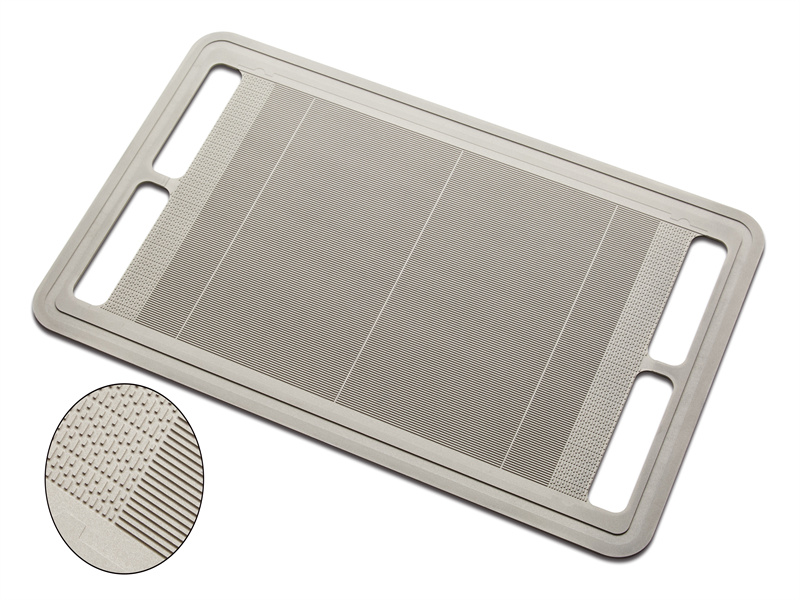
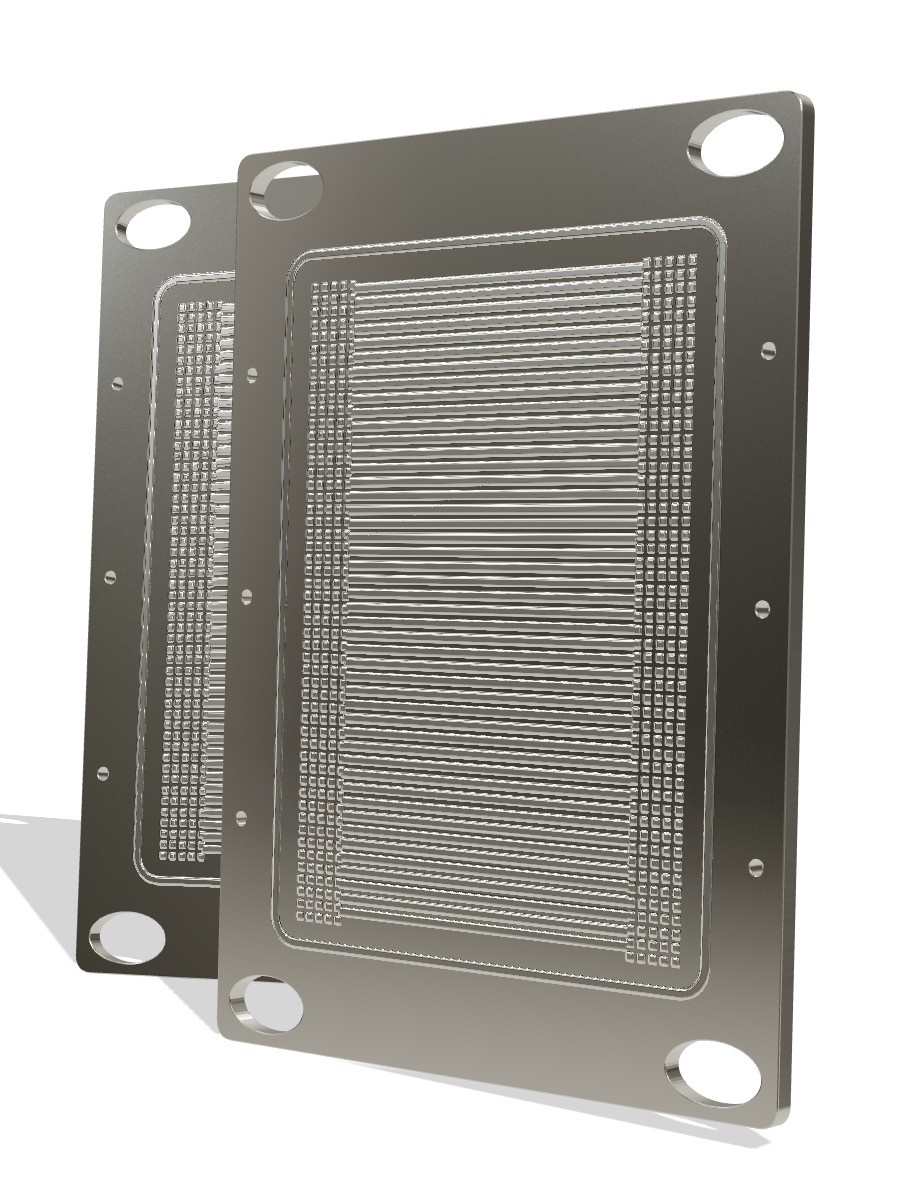 | YIANTENG nickel-plating capabilityCoverage across channels and landsPlating parameters are controlled so nickel reaches channel walls, channel bottoms and contact lands across the complete active area. Adhesion through coordinated preparationDegreasing and surface activation are matched to the etched stainless or carbon steel before nickel deposition. Thickness controlAvailable thickness range: 20–50 μm, selected according to substrate and operating conditions. Appearance and final inspectionPlated area, thickness, adhesion and visual finish are checked against project-defined records before release. |


Send a message