PEM Electrolysis Water Technology
Core Titanium‑Based Components for Green Hydrogen Production
PEM (Proton Exchange Membrane) water electrolysis is one of the most advanced technologies for green hydrogen generation. It splits purified water into hydrogen and oxygen via solid polymer proton‑exchange membrane under DC power. Featuring fast dynamic response, high‑purity hydrogen output and zero corrosive liquid electrolyte, it perfectly matches fluctuating renewable energy such as wind and solar power, and is widely deployed for smart‑grid energy storage, distributed hydrogen supply and industrial high‑purity hydrogen production.
Technical Principle
Within the PEM electrolyzer stack, purified feed‑water flows into the anode side. Under direct‑current excitation, water molecules undergo oxygen‑evolution reaction. Protons (H⁺) pass through the proton‑exchange membrane towards the cathode, where protons combine with electrons to generate high‑purity hydrogen. Oxygen is released at the anode compartment. Un‑reacted water is recycled to form a closed‑loop circulation system.
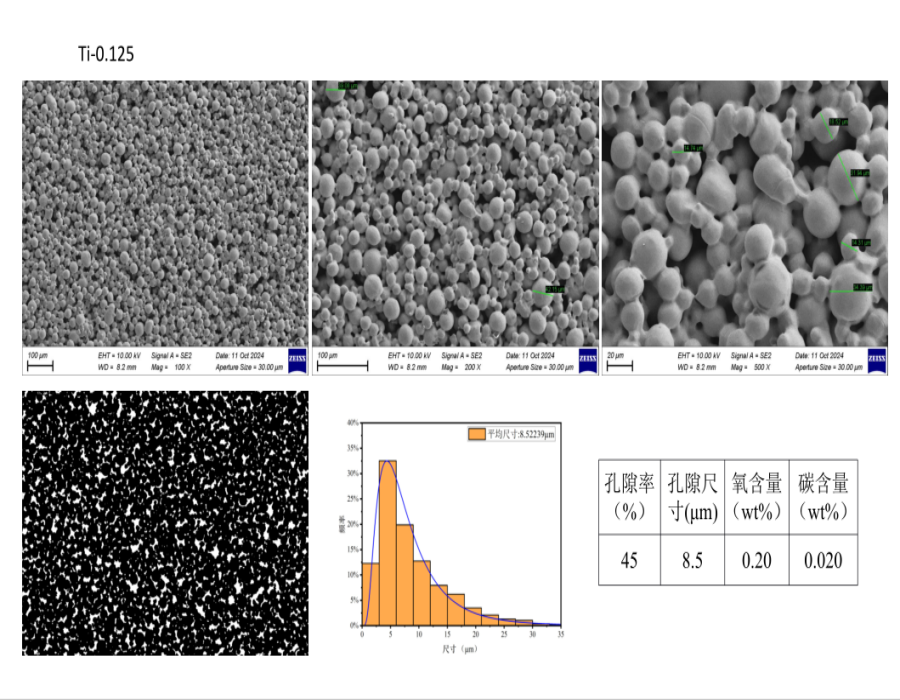
The PEM anode side works under strong acidic, high‑potential oxidative conditions. Titanium‑based components become critical to guarantee long‑term stack stability and efficiency. We supply two core customized components for PEM electrolyzer stacks: **porous titanium PTL (Porous Transport Layer), chemically‑etched bipolar plates.
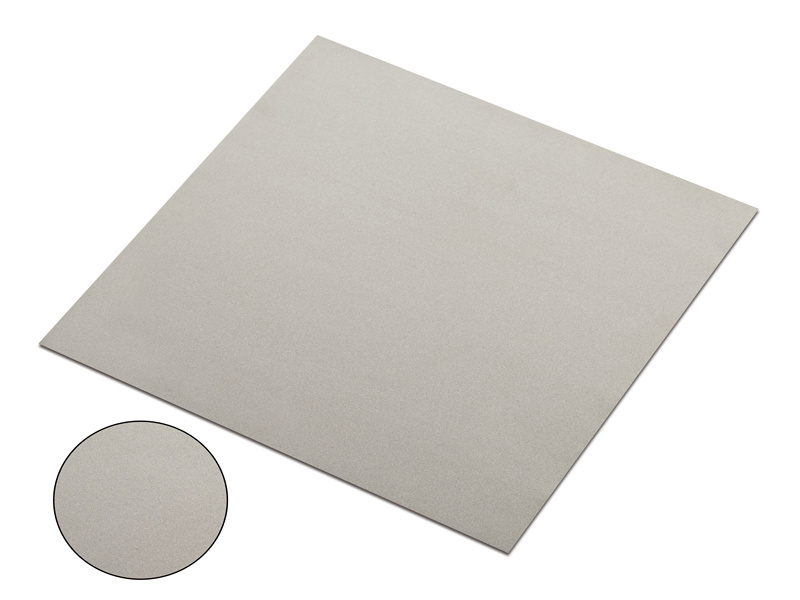
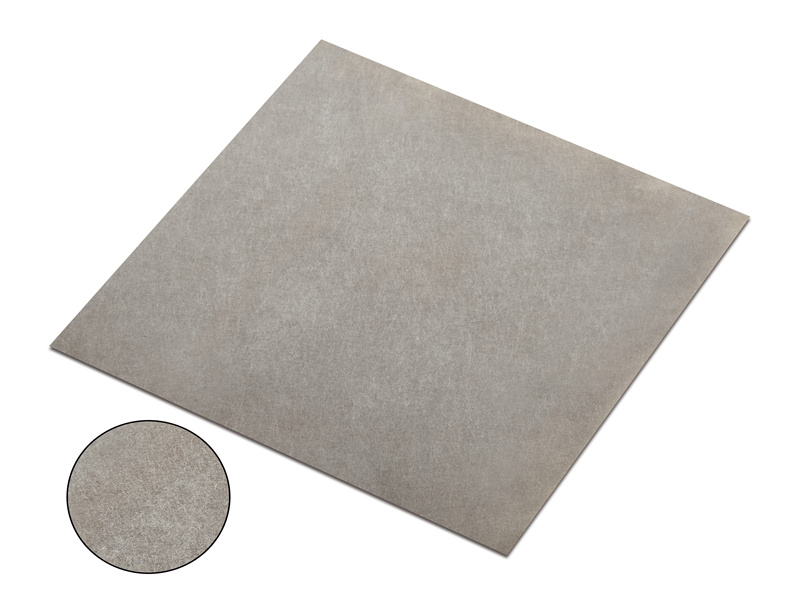
1. Porous Titanium PTL (Porous Transport Layer)
Working Principle
Positioned between bipolar plate and catalyst‑coated membrane (CCM). It provides electron conduction channel, supplies water to catalyst layer, and quickly evacuates generated oxygen gas out of cell, maintaining stable three‑phase interface inside PEM single cell.
Core Advantages
‑ Excellent corrosion‑resistance under PEM anode oxidative environment, avoiding carbon‑material oxidation failure
‑ Controllable pore‑size and porosity to balance water supply and gas‑liquid mass‑transport
‑ Good mechanical strength, tolerates stack compression load
‑ Custom thickness, pore structure for R&D samples and industrial stacks
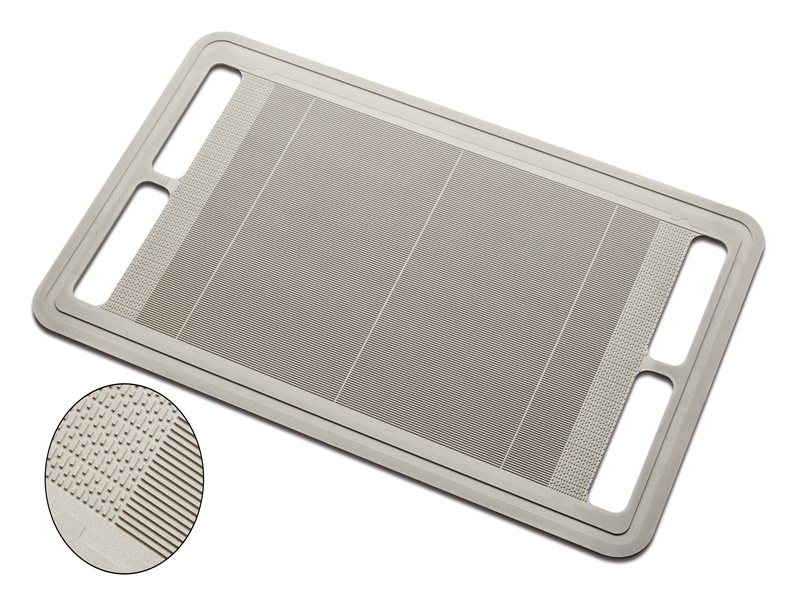
2. Chemically‑Etched Bipolar Plate
Working Principle
Fabricated by precision chemical etching on pure‑titanium substrate. It separates adjacent single cells, conducts electric current, and distributes feed‑water / gas via precision‑formed flow‑field channels inside PEM stack.
Core Advantages
‑ Stress‑free etching process, precise micro‑flow‑channel geometry, no burr or micro‑crack
‑ Outstanding corrosion‑resistance for long‑term PEM operating conditions
‑ Low interfacial contact resistance, improves overall electrolyzer efficiency
‑ Supports rapid prototyping and mass‑volume manufacturing according to customer drawings
Custom sizes, structures and surface treatments are available upon your project requirements.

Send a message