X

Sintered Titanium Felt

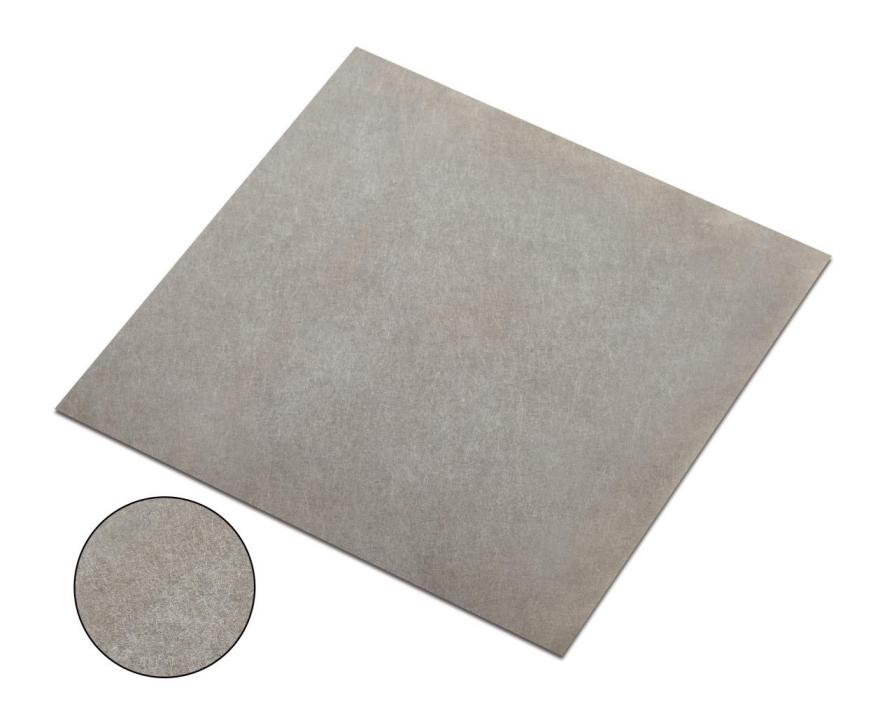
High-porosity sintered titanium felt PTLs engineered for efficient water and gas transport, compression resilience, low contact resistance and reliable electrolysis operation.

 Inquire Now
Sintered Titanium Felt

Titanium felt at the gas-diffusion interface.

Water in. Oxygen out.

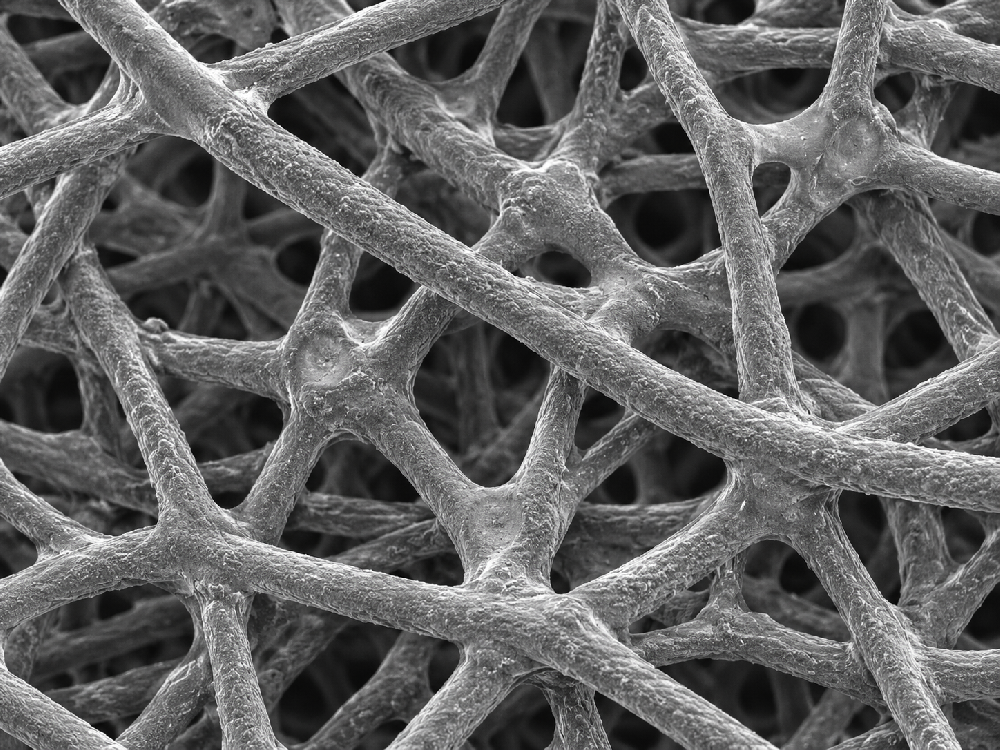
Interconnected pores distribute water across the active area and provide continuous routes for oxygen-bubble removal.

Continuous current path

The bonded titanium-fiber skeleton conducts current between the catalyst interface and current-collecting components.

Contact under compression

A compliant fiber network adapts to stack tolerances while maintaining distributed contact across the active area.

Carbon-free anode stability

Titanium provides a corrosion-resistant alternative to carbon diffusion media in the acidic, oxygen-rich PEM anode environment.

Platinum across the fiber surface.

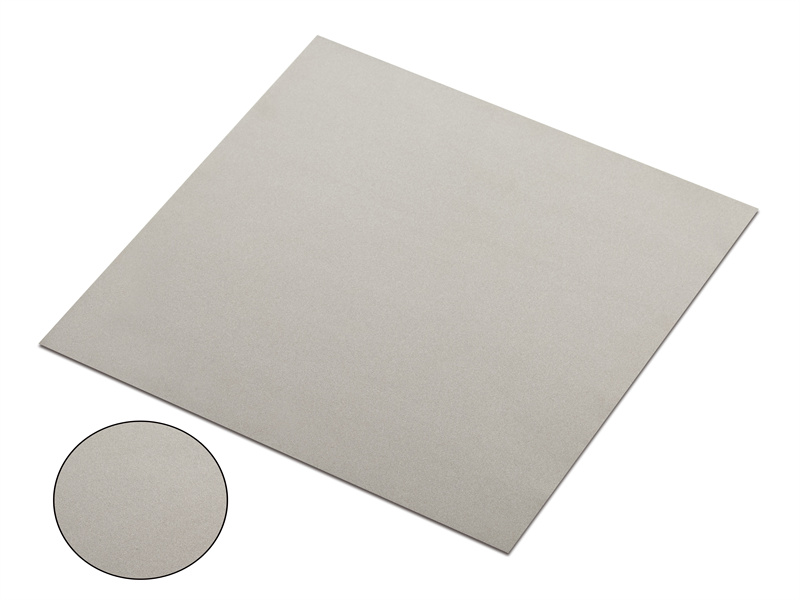
The Pt layer follows the accessible surface of the three-dimensional titanium network. It is a conformal interface coating—not a separate dense sheet that closes the pores.

Ti fiber

 Platinum surface coating

 Sintered titanium-fiber core

A stable electrical interface for the anode PTL.

In anode-side PEM operation, exposed titanium can develop a resistive oxide surface. Platinum helps limit this interfacial resistance while preserving the felt's water and oxygen transport pathways. The oxygen-evolution catalyst remains in the catalyst layer.

50–300 nm

Project-specific Pt coating range

±10%

Target thickness tolerance

3D coverage

Across accessible fiber surfaces

Pretreatment and adhesion matter. Surface cleaning and activation are coordinated with deposition so the thin platinum layer remains continuous and firmly bonded without sacrificing the felt's open pore structure.

YIANTENG platinum-coating advantages.

Controlled preparation and deposition create uniform, firmly bonded platinum coverage without closing the felt's pore network.

Stable conductivity

The Pt surface suppresses resistive oxide growth and helps maintain a low-resistance current path at the catalyst interface.

Coating uniformity

Controlled deposition supports consistent platinum coverage across accessible three-dimensional fiber surfaces and reduces local weak points.

Coating adhesion

Cleaning and surface activation promote a firmly bonded layer through cutting, handling, stack compression and operation.

Open pores retained

Thickness control limits excess metal buildup so the felt retains its interconnected pathways for water and oxygen transport.

Reduced titanium passivation

Platinum limits exposure of the titanium surface and helps control resistance growth caused by oxide formation.

Discuss your platinum-coated titanium felt requirements.

Discuss your application
YIANTENG

Application

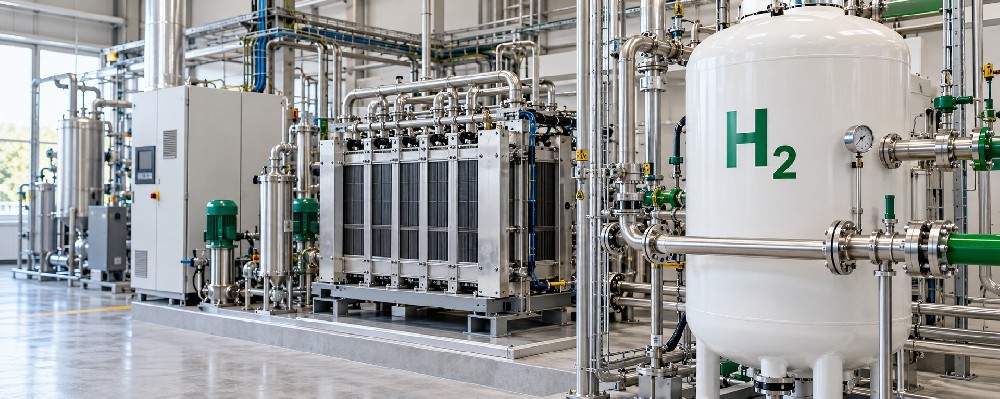
PEM Electrolysis Water Technology

PEM Electrolysis Water Technology

PEM Electrolysis Water Technology: The Engine of Clean Energy Hydrogen Conversion‌‌1. Technical Principle: The Magic of Proton Exchange Membranes‌PEM (Proton Exchange Membrane) electrolysis technology efficiently converts water into hydrogen using a solid polymer electrolyte membrane (such as Naf

Learn more >>

Get A Quote

Send a message

You may also be interested in

If you have questions or suggestions, please leave us a message,we will reply you as soon as we can!