X

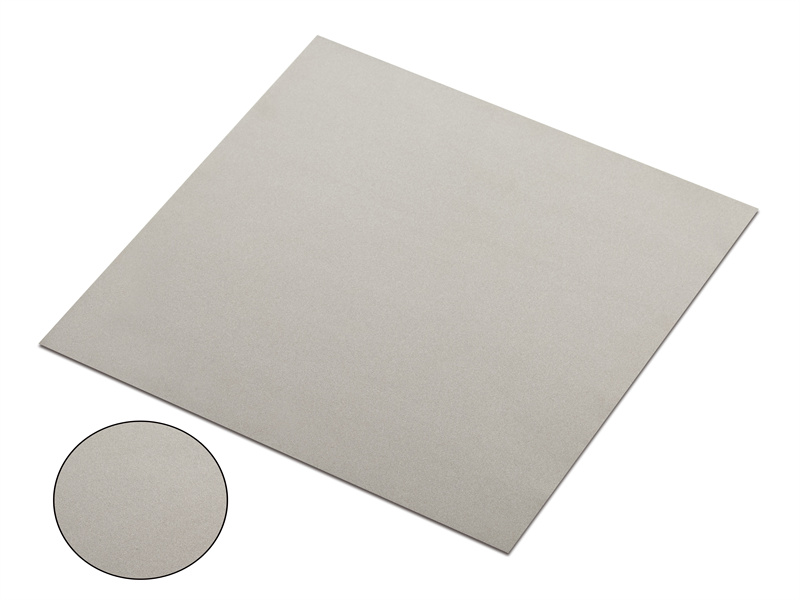
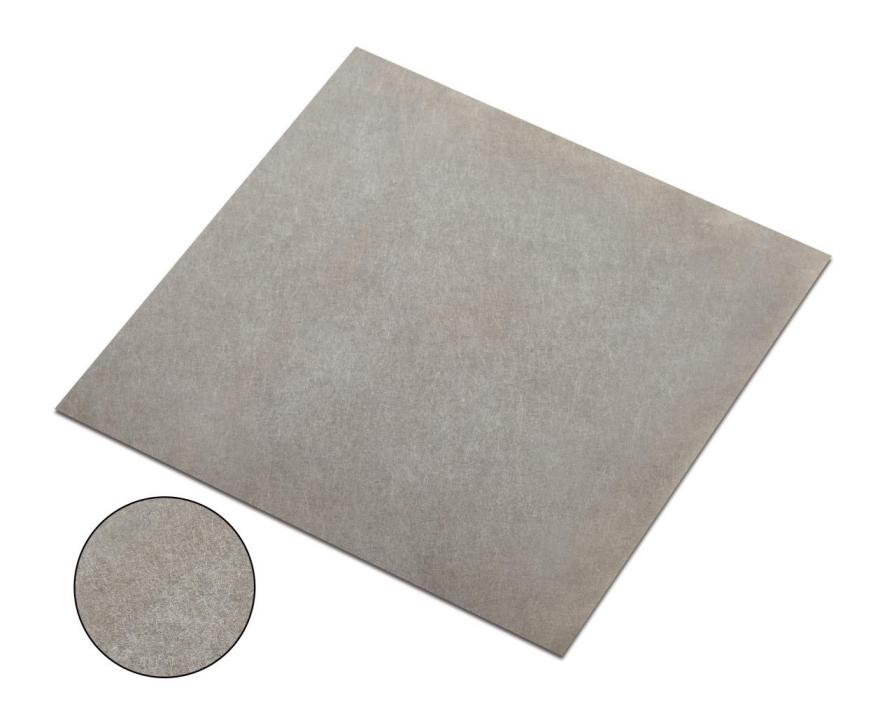
Sintered Porous Plate

Ultra-thin sintered titanium porous transport layers engineered for uniform water distribution, efficient oxygen removal, low interfacial resistance and stable high-current-density PEM operation.

 Inquire Now
Sintered Porous Plate

0.08 / 0.125 / 0.25 mm

Thickness

Ti · SS · Cu · Ni

Available base materials

Pt / MMO

Available coatings

The interface that moves water, gas and current.

Fluid pathways

Distributes water across the active area and provides connected routes for oxygen removal.

Electrical contact

Maintains contact across the PTL–catalyst interface to help control interfacial resistance.

Interface support

Supports the membrane-electrode interface while helping protect the catalyst layer under compression.

From titanium powder to controlled porosity.


Specify the powder.

Material grade and particle-size distribution are selected around the target pore structure and permeability.


Classify for consistency.

Powder is classified and blended to create a repeatable feedstock before forming.


Form the green plate.

Forming conditions establish the plate geometry and green structure while preserving the required flow paths.


Bond the pore network.

A defined thermal cycle bonds adjacent particles into a rigid, interconnected porous network.


Finish and verify.

Dimensions, pore characteristics and permeability are checked against the confirmed specification.

Engineered at the pore level.

YIANTENG coordinates pore structure, ultra-thin forming, dimensional finishing and optional surface engineering around the PEM stack interface.

Pore and surface control

A customizable 4–10 μm pore structure and surface roughness down to Ra ≤ 5 μm support transport and catalyst contact.

Ultra-thin dimensional control

Thicknesses of 0.08 mm, 0.125 mm and 0.25 mm support compact stack architecture and controlled assembly geometry.

Interface-focused performance

Controlled porosity, contact surface and dimensional stability work together to help reduce interfacial losses.

Material and coating options

Titanium, stainless steel, copper and nickel substrates are available, with optional Pt and MMO coatings for application-specific interfaces.

Discuss your porous transport layer requirements.

Discuss your application
YIANTENG

Application

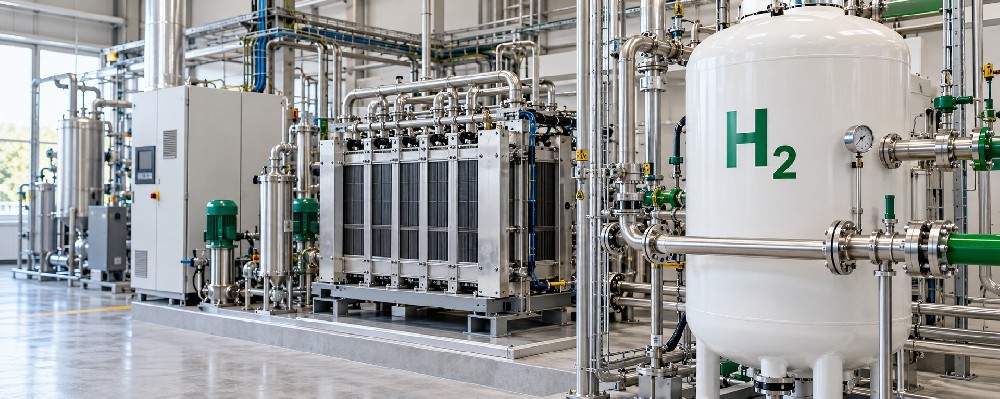
PEM Electrolysis Water Technology

PEM Electrolysis Water Technology

PEM Electrolysis Water Technology: The Engine of Clean Energy Hydrogen Conversion‌‌1. Technical Principle: The Magic of Proton Exchange Membranes‌PEM (Proton Exchange Membrane) electrolysis technology efficiently converts water into hydrogen using a solid polymer electrolyte membrane (such as Naf

Learn more >>

Get A Quote

Send a message

You may also be interested in

If you have questions or suggestions, please leave us a message,we will reply you as soon as we can!